Why Biscayne National Park Feels Completely Different Once You Leave Shore
At first glance, Biscayne National Park can seem almost too quiet. From the mainland near Convoy Point, there is water, a few distant islands, and not much else demanding attention. Brian and Michelle from Livin’ Our Vision discovered something very different once they stepped onto the Heritage of Biscayne Cruise. The farther the boat moved into the bay, the clearer it became that this park carries stories most visitors never notice from land alone.
Before boarding, they spent part of the morning exploring the visitor center and preparing for the afternoon cruise. The relaxed start, mixed with small van-life moments and roadside humor, gave the day an easy rhythm before the history of Biscayne slowly unfolded.
A National Park Built Around Water
Unlike many national parks, where scenic drives reveal the landscape, Biscayne works differently. Nearly all of the park is on the water. That reality changes the entire experience. What’s pointed out during the video that you really have to leave the shoreline behind to understand what makes this place important.
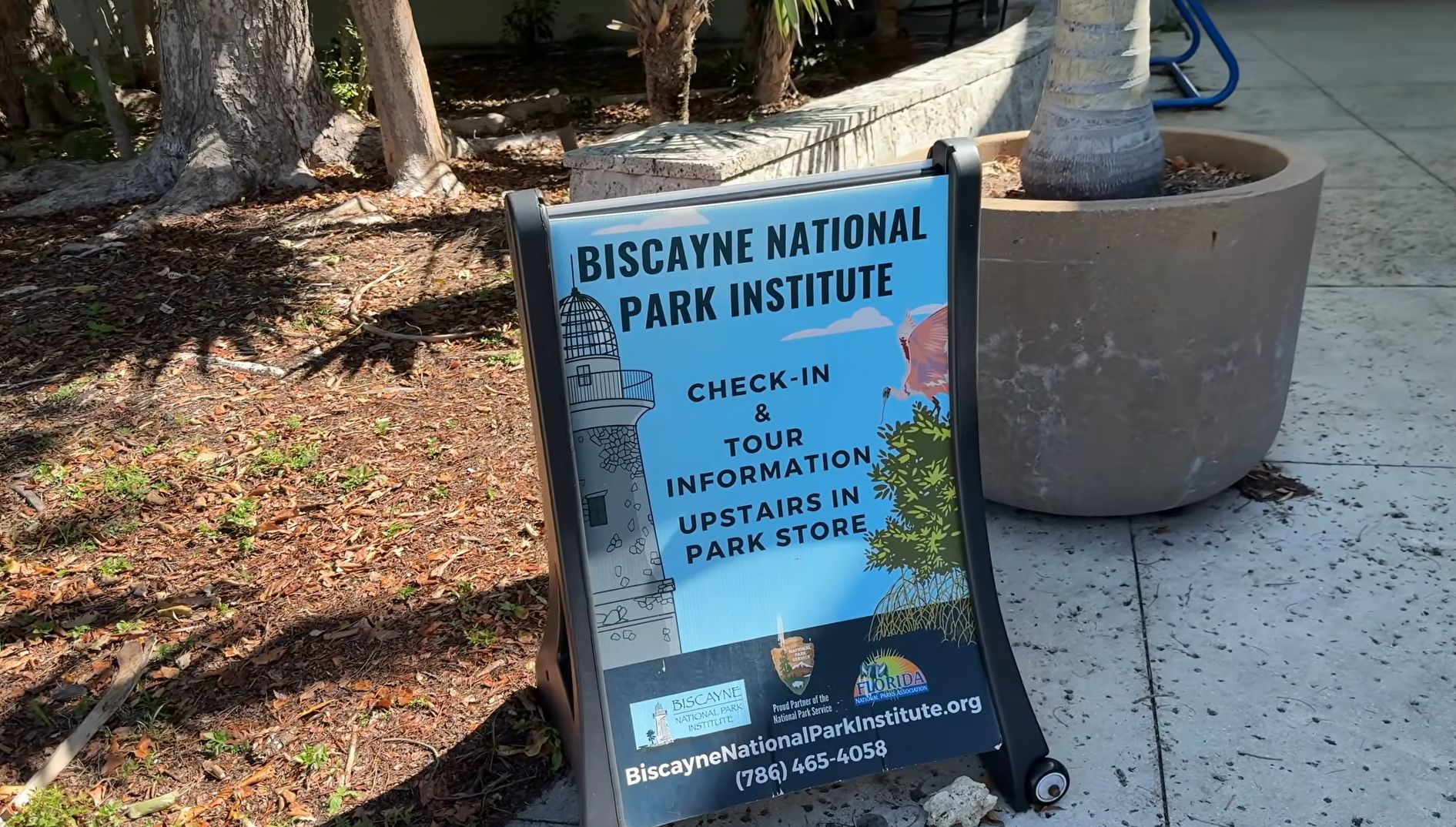
The Heritage Cruise departs from the Dante Fascell Visitor Center, where passengers check in before boarding the park-operated vessel. Early in the outing, the narration explains how Biscayne Bay contains coral reefs, mangrove forests, hidden keys, and shipwrecks spread beneath the surface. It quickly becomes clear this is not simply a sightseeing boat ride. It is more like stepping into layers of South Florida history that most people pass by without realizing.
One of the most interesting moments comes when they describe how the bay once looked, thousands of years ago. Rising sea levels slowly transformed dry land into the marine environment visitors see today.
You can hear that part of the story during the discussion about ancient Biscayne landscapes.
The History Hidden Beneath Biscayne Bay
The cruise spends considerable time exploring the people who lived in this region long before modern Florida developed. The narration explains how Indigenous communities adapted as the coastline changed over thousands of years pdf. Archaeologists have uncovered shell middens, fish bones, and evidence of settlements associated with the Tequesta and earlier cultures.
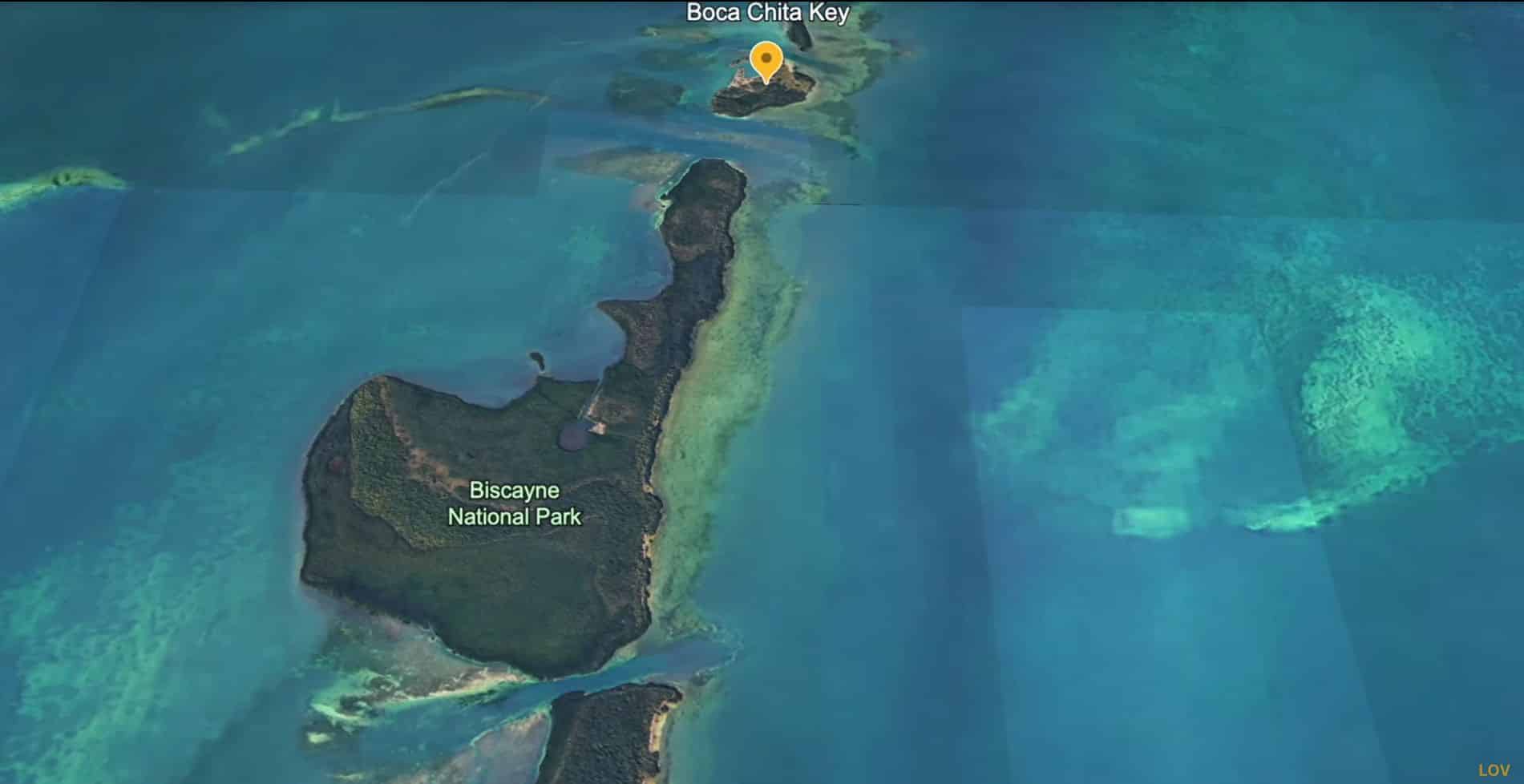
What makes the story especially compelling is the realization that some evidence may still rest underwater today. As sea levels rose, older shorelines disappeared beneath Biscayne Bay. The video presents this idea in a way that feels reflective rather than dramatic. Instead of focusing only on scenery, the narration invites viewers to think about how many generations depended on these waters for survival.
That historical perspective gives the park a different kind of depth. The bay stops feeling like open water and starts feeling like a living archive.
The segment about early Indigenous life in Biscayne adds important context to the entire outing.
Boca Chita Key Leaves a Lasting Impression
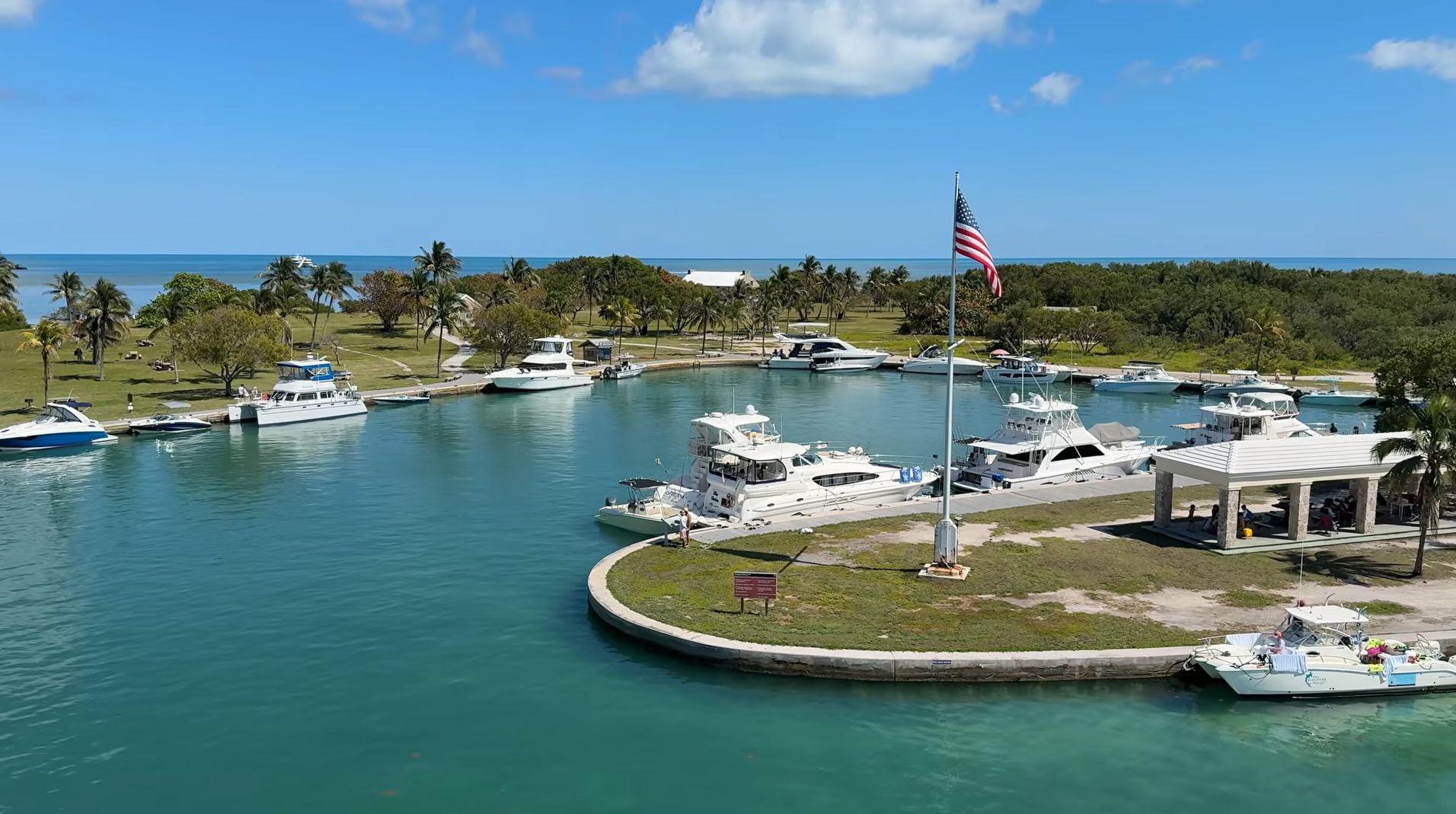
Once the boat reaches Boca Chita Key, the atmosphere changes again. The harbor, palm trees, stone structures, and famous lighthouse create a setting that almost feels preserved from another era of Florida history. One detail that stood out was how much they enjoyed finally stepping onto the island after hearing about its background during the cruise.
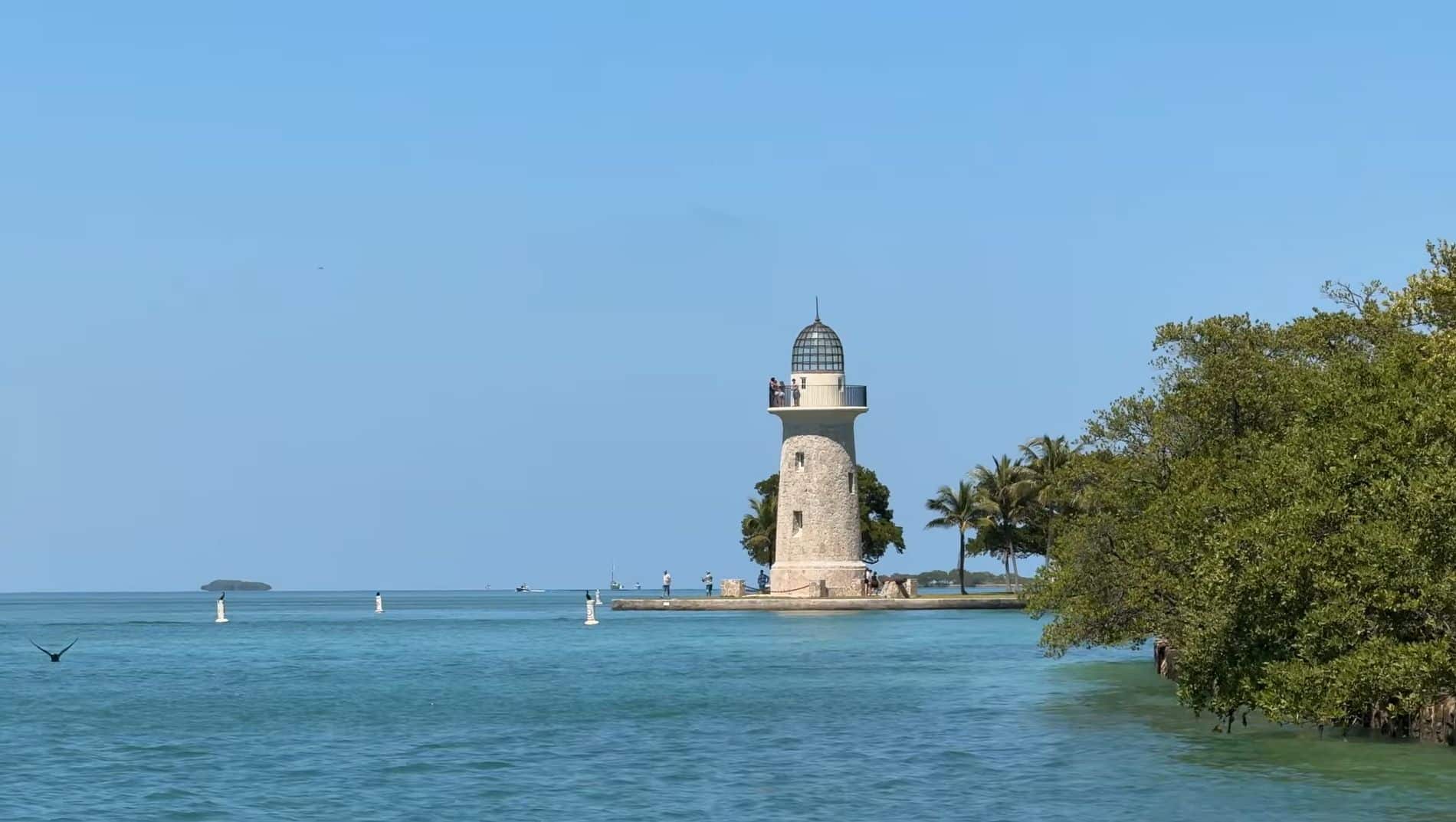 The lighthouse remains one of the biggest highlights. Although many visitors assume it once guided ships, the video explains that historians believe the structure was largely decorative from the beginning. Even so, it became the defining image of Boca Chita Key.
The island’s story centers heavily on Mark Honeywell and the extravagant gatherings hosted there during the late 1930s and early 1940s. Wealthy guests reportedly arrived by yacht while parties unfolded beneath the limestone tower overlooking Biscayne Bay.
The walk up to the lighthouse and the surrounding harbor scenery can be seen during the Boca Chita Key exploration.
Small Details Made the Experience Better
One reason the video feels engaging is that Brian and Michelle include ordinary moments alongside the historical information. They talk about calm ocean conditions, watching hermit crabs move through shells, spotting a cardinal near the beach, and appreciating simple conveniences like restrooms and shaded areas.
Those observations make the outing feel approachable rather than overly polished. At one point, Michelle even suggests bringing snacks and extra water for the excursion. That practical advice fits naturally into the experience and probably helps future visitors more than overly scripted recommendations would.
The quieter wildlife moments also stand out because they contrast with the larger historical themes. Watching a cardinal linger nearby or seeing hermit crabs disappear into their shells reminds viewers that Biscayne still functions as an active ecosystem rather than just a historic destination.
Their reaction to the wildlife and Shell Beach stop captures that slower side of the park well.
The Preservation Story Changes Everything
Toward the end of the cruise, the narration shifts toward conservation. This section may be the most important part of the entire experience because it explains how close Biscayne came to large-scale development during the mid-1900s.
Plans once included industrial ports, major dredging operations, roads, and large resort projects. There was even discussion about creating a city called Islandia across portions of the Keys. The video also explains how conservationists, local residents, and public officials fought to protect the area before it was permanently changed.
Without those efforts, the Biscayne people’s experience today would likely look very different. Instead of protected reefs and quiet islands, much of the region could have become heavily developed waterfront property.
The section covering the fight to preserve Biscayne National Park gives the cruise a stronger sense of purpose beyond sightseeing.
Why the Heritage Cruise Stands Out
 By the end of the outing, Brian and Michelle openly admit they enjoyed the Heritage Cruise more than they expected. In fact, Brian even compares it favorably to another well-known Florida national park excursion. What seemed at first like a calm boat ride turned into several hours of layered storytelling about shipwrecks, Indigenous history, segregation-era Florida, conservation battles, and island culture.
That combination is what separates Biscayne from many other parks. The scenery matters, of course. The water is remarkably clear, the islands are beautiful, and the views across the bay are memorable. Still, the experience becomes much richer once visitors understand the history beneath the surface.
For anyone wondering whether Biscayne National Park deserves a place on a Florida itinerary, this cruise answers the question quietly but convincingly. The park reveals itself slowly. Once it does, the experience becomes difficult to forget.