Congaree National Park: The Old-Growth Swamp Most People Drive Past
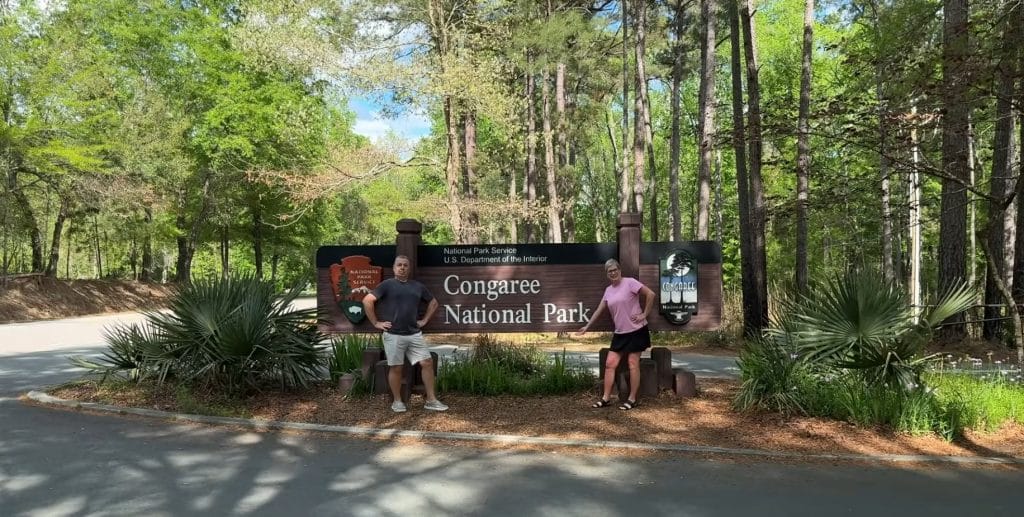
Most people drive through South Carolina without stopping at Congaree National Park. Brian and Michelle from Livin’ Our Vision almost did too, until they decided that letting someone else’s opinion skip a national park for them wasn’t how they operated.
What they found was nothing like what the one-star reviews suggested.
First Things First: There Are No Redwoods Here
The nickname “Redwoods of the East” sets expectations that the park immediately subverts, and that’s actually part of what makes it interesting.
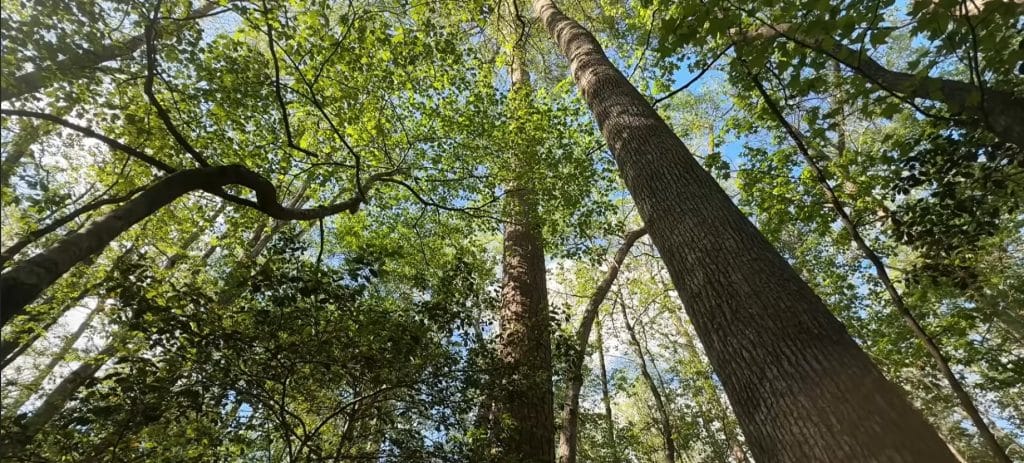
There are no actual redwood trees inside Congaree National Park. What earns the comparison are massive loblolly pines, towering bald cypress, and water tupelo trees that stretch into the sky with a canopy height that rivals anything on the West Coast. Standing at the base of one and looking up, the nickname stops feeling like an exaggeration and starts feeling like the only frame of reference that makes sense.
This is the largest intact old-growth bottomland hardwood forest left in the United States, a forest that has been allowed to grow and evolve naturally for centuries without human interruption. The park is also home to national and state champion trees, and park staff is still actively surveying and measuring to find new ones. The count isn’t finished yet.
How This Forest Survived at All
The history here runs deeper than the tree roots, and it’s worth knowing before you step onto the boardwalk.
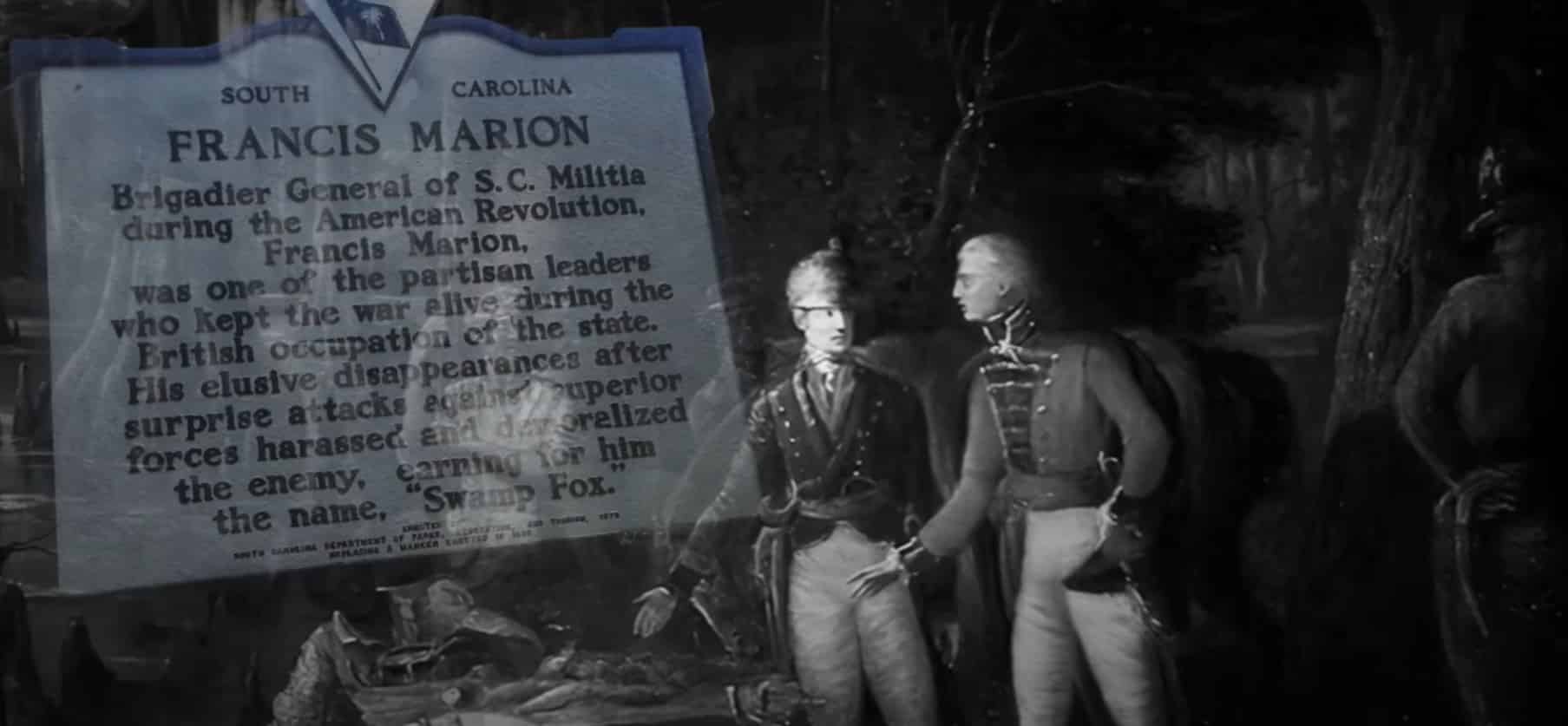
The Swamp Fox himself, Francis Marion, used this exact landscape as cover during the Revolutionary War – striking British troops and vanishing into the flooded timber before they could respond. The dense, unpredictable terrain that made the park feel impenetrable to visitors made it tactically invaluable to Marion’s militia.
The forest itself survived logging for an almost accidental reason. The heavy cypress logs sank into the mud, and the logging mills kept being washed away by the floods. What felt like an obstacle to industry turned out to be the park’s protection. It was designated a national monument in 1976 and upgraded to national park status in 2003. It is one of the least-visited national parks in the country, which honestly explains why it feels so intact.
The Boardwalk, the Bees, and the Mosquito Meter
The main experience at Congaree is a boardwalk loop that normally runs about 3 miles. During Brian and Michelle’s visit, one section was closed, bringing the total to just over 2 miles, still enough to understand what the park is about.
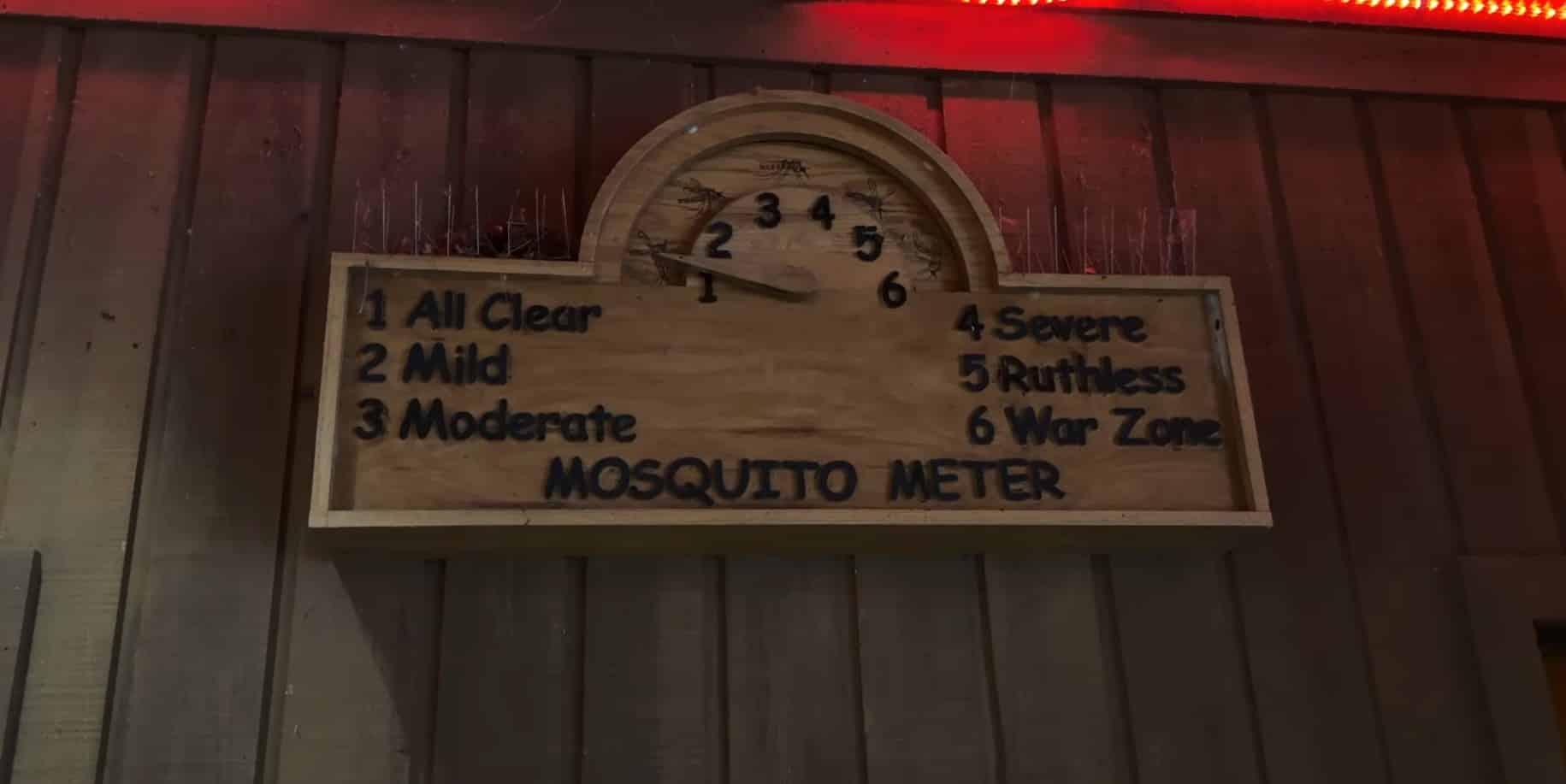
The park posts a mosquito meter at the trailhead, an actual gauge rating current mosquito activity, which tells you everything about the kind of ecosystem you’re entering. On their visit, it sat at one, which counts as a good day. Come in summer, and the calculation changes significantly. If the meter reads anything above a three, pack accordingly or reconsider the timing entirely.
The boardwalk itself is well-constructed and runs right over the swamp water, putting you at eye level with the root systems of trees that have been standing for centuries. Brian and Michelle noted that the wobbly sections added an unplanned element of adventure and that the bees were more interested in Michelle than in the historical signage.
What the park doesn’t have: mountain overlooks, big cliffs, sweeping desert views. What it does have is something rarer: a forest that almost disappeared completely, preserved specifically because it was too wild to be useful to anyone who wanted to destroy it.
Is It Worth the Detour?
Michelle put it best on the boardwalk: the value of Congaree isn’t what it offers a visitor looking for entertainment, it’s what it represents as a piece of American landscape that survived when almost everything like it didn’t.
For full-time travelers passing through South Carolina, Congaree sits close enough to Columbia that skipping it costs almost nothing in time and misses something genuinely worth seeing. The visitor center closes early, the trails don’t light up at night, and there’s no resort infrastructure around it. That’s the point. Pull in, walk the boardwalk, read the history panels, and let the scale of the trees do the rest.
One practical note worth passing along: after the visitor center closes, the restrooms lock with it. Brian and Michelle learned that firsthand. Having a van with a bathroom on board turned a potential problem into a non-issue, one of those small van life advantages that only reveals itself in the field.
Little Pig’s Barbecue: The Right Way to End the Day
After the swamp, Brian and Michelle landed at Little Pig’s Barbecue just outside Columbia, a buffet-style local institution that operates at the complete opposite end of the atmosphere spectrum from a quiet national park.
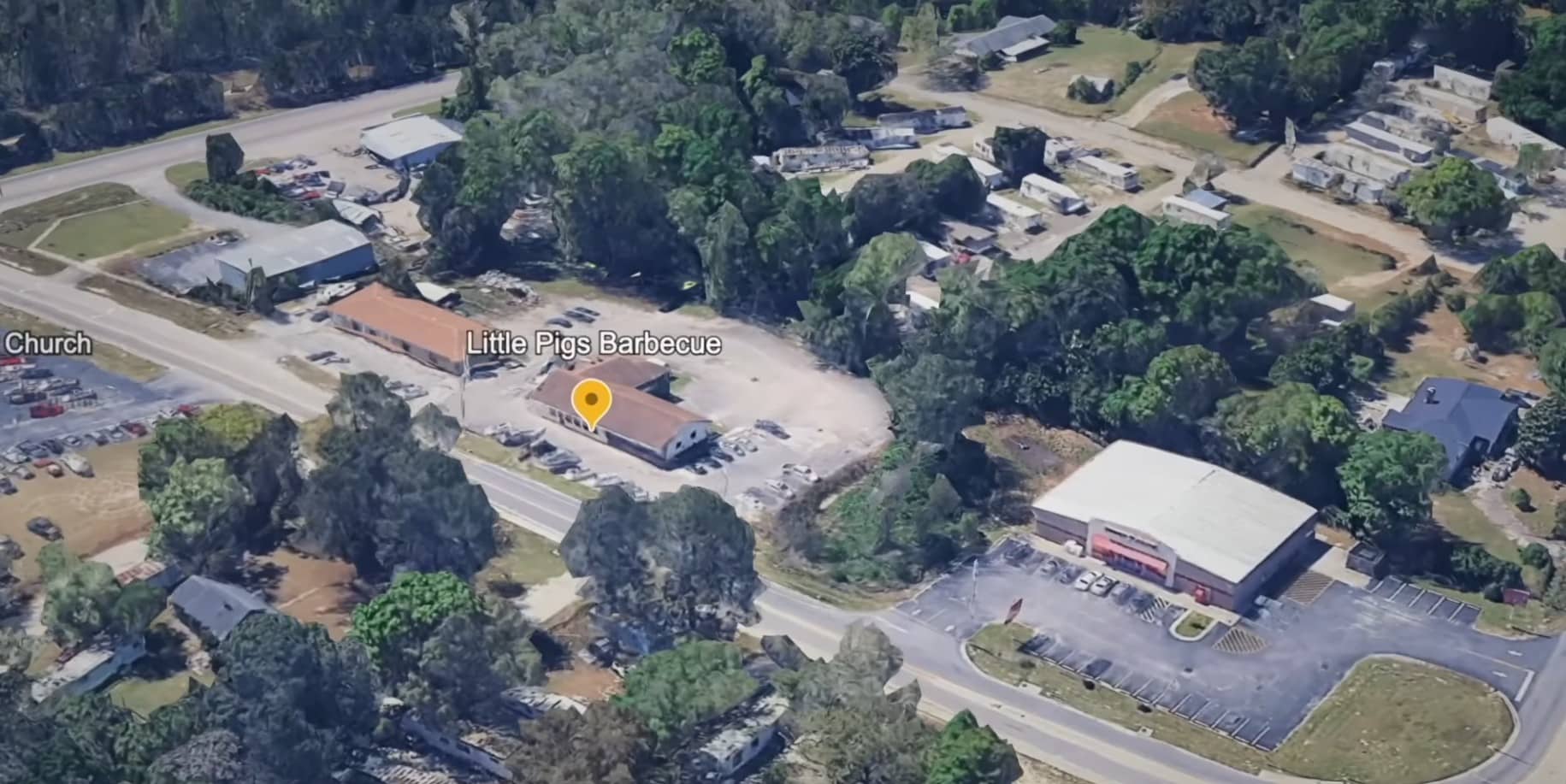
Little Pig’s Barbecue is the kind of local spot that doesn’t need a reputation because the regulars already know. Brian and Michelle walked out full and satisfied, wondering why more road trip days don’t end like this.
For van life travelers moving through the Southeast, this combination, a national park that requires almost no planning and a local BBQ buffet within twenty minutes of the exit, is exactly the kind of day that justifies keeping the itinerary loose. Not every stop needs to be planned three weeks out. Sometimes the best ones are the ones you almost drove past.