Steam and Beans: Two Days Exploring Hawaii’s Big Island
Most cruise stops give you one shot at a place. Brian and Michelle from Livin’ Our Vision usually travel by RV, but this time they traded the highway for the water on an NCL Pride of America cruise, which handed them two very different days on Hawaii’s Big Island. One was a guided run inland to an active volcano. The other was an unplanned wander into coffee country. The question they kept circling on day one was whether the volcano tour would actually be worth their limited time ashore.
Here is how both days played out.
Day One: Hilo to an Active Volcano
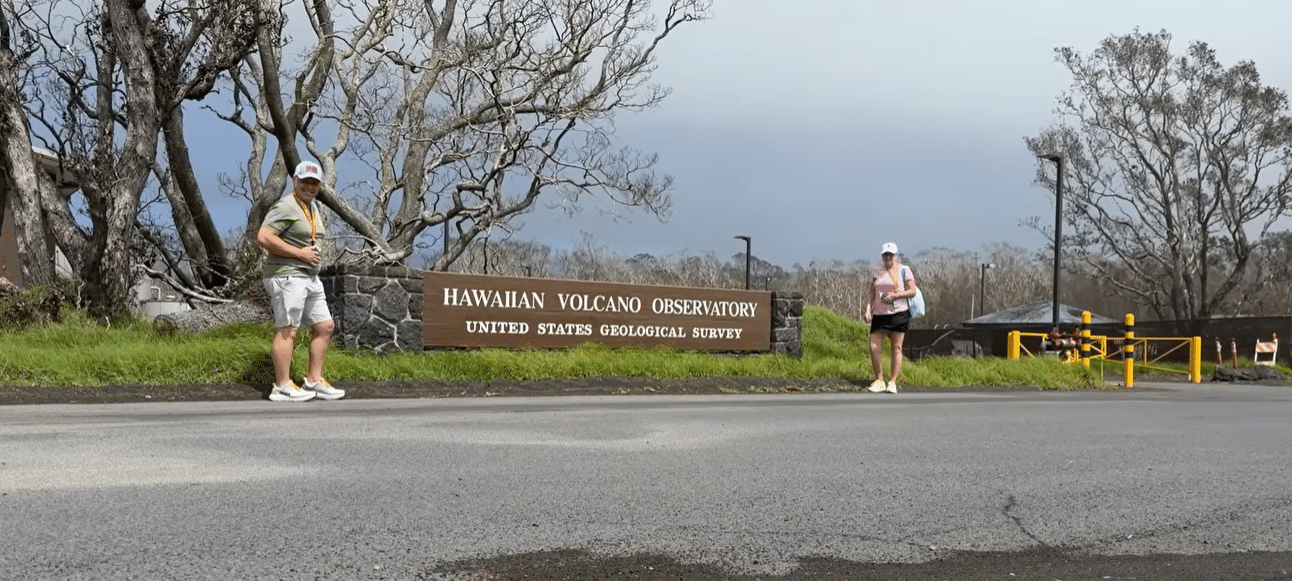
From the port of Hilo, their NCL excursion headed inland to Hawaii Volcanoes National Park. The guide filled the ride with island history and a bit of botany, but the landscape did the real talking once they reached the summit of Kilauea, one of the most active volcanoes on Earth.
Standing along the edge of the massive caldera, the ground looked like another planet. What appears to be smoke rising from the earth is actually steam: rainwater seeps below the surface, hits rock heated by magma, and rises back through the cracks as vapor. Watching the ground breathe like that was the moment the tour justified itself.
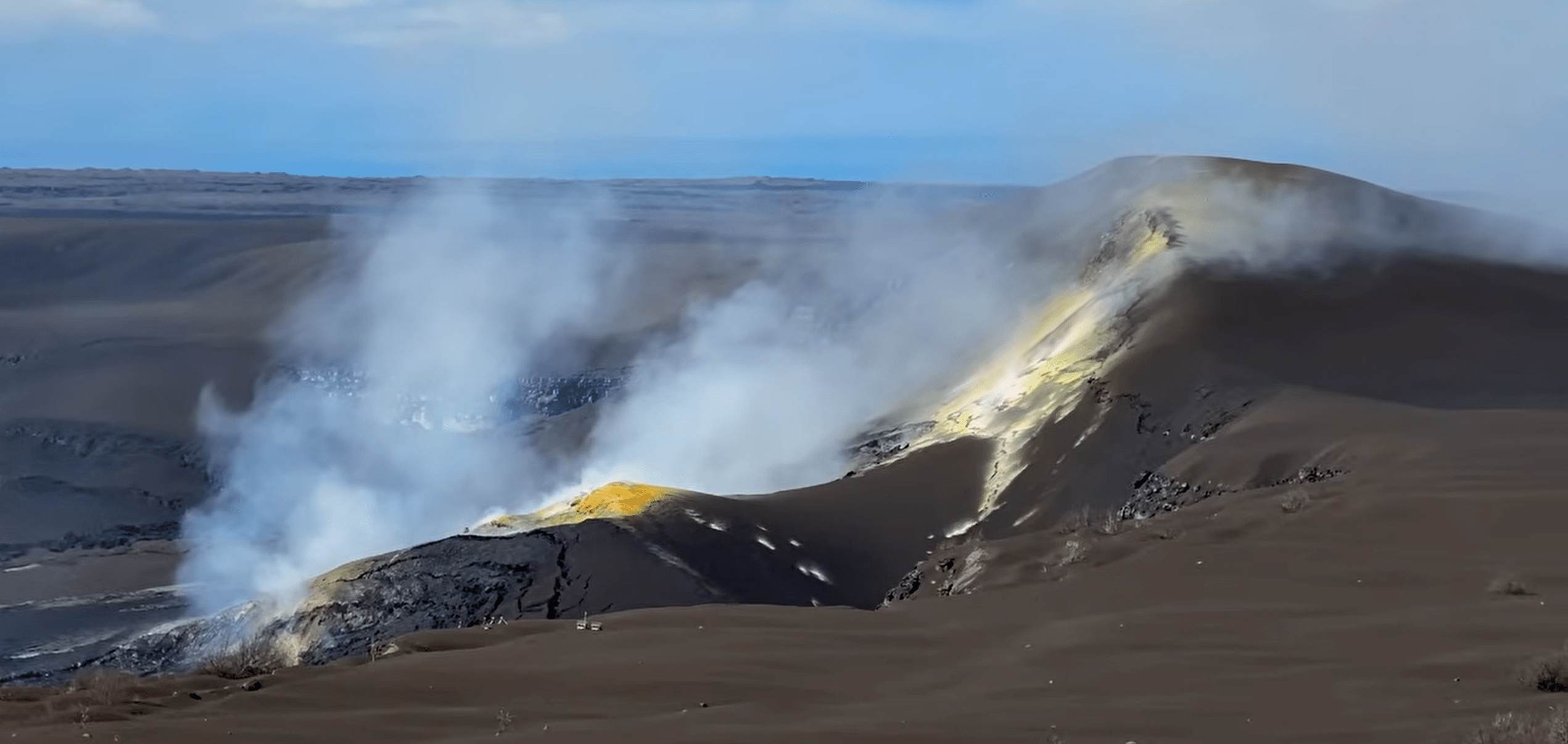
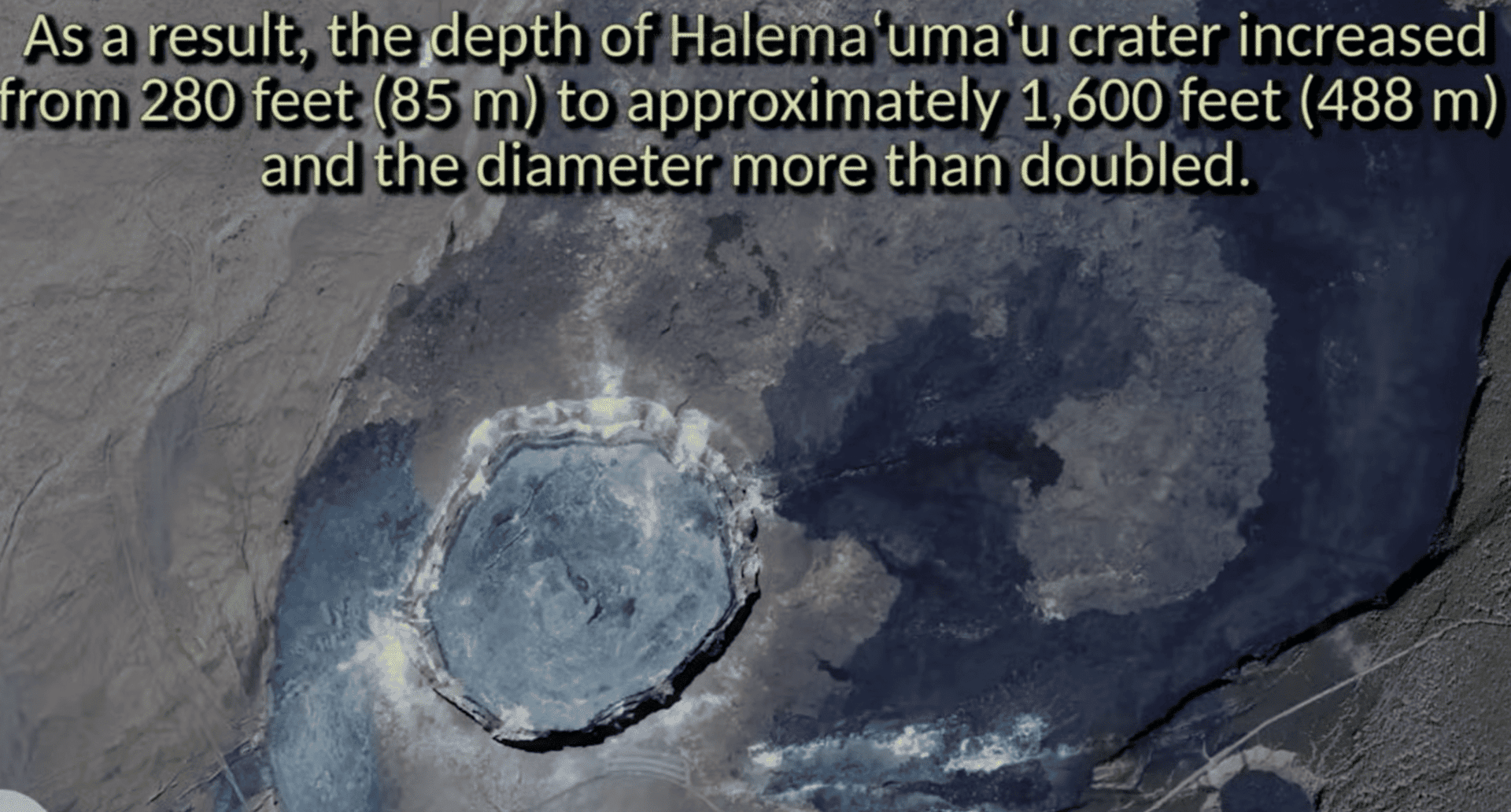
Kilauea is still reshaping the island. A 2018 eruption collapsed much of the summit, expanding Halemaumau Crater and permanently changing the view. For many Native Hawaiians, this is sacred ground, traditionally believed to be the home of Pele, the deity of volcanoes and fire. The park warned it might erupt that day. It stayed quiet while they visited, but the timing was uncanny: Kilauea erupted again just two days later.
The Stops Along the Way
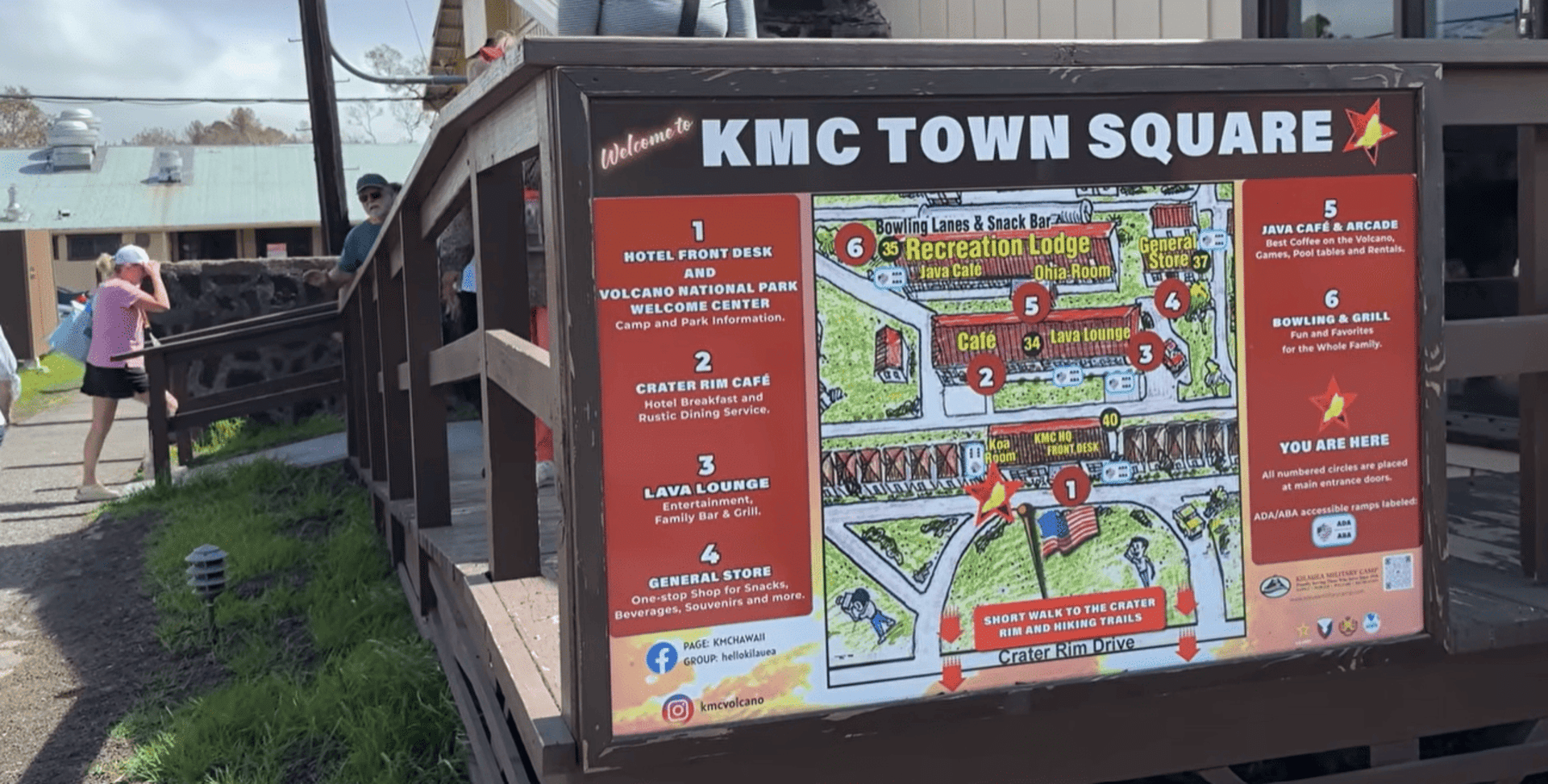
The excursion was more than the crater rim. It paused at the temporary Welcome Center, located at Kilauea Military Camp, a military recreation and lodging facility inside the park. With the main visitor center closed for renovation, rangers and the official gift shop had temporarily moved nearby.
There was also time for the steam vents and another viewpoint off the Crater Rim Trail, plus the local warning that taking lava rock home brings bad luck. According to their guide, people mail it back after a run of misfortune.
Before returning to the ship, the tour stopped at Big Island Candies, a Hilo shop known for chocolate-dipped shortbread and macadamia treats. Samples appeared the moment they walked in.
Day Two: Kona, With No Plans at All
Overnight, the Pride of America carried them around the island to Kona. They tendered the next morning ashore with nothing booked. The waterfront was walkable straight off the tender, but with most of the day open, they headed south into Kona coffee country to Greenwell Farms.
A Family Farm Since 1850
Greenwell Farms traces its story to 1850, when Henry Nicholas Greenwell arrived from England and settled in Kealakekua as a young man. It started as a citrus farm. He and his wife, Elizabeth Caroline, spent close to forty years farming, ranching, and developing their Kona coffee, which earned international recognition at the 1873 World’s Fair in Vienna. Generations later, in the early 1980s, his grandson Norman and great-grandson Thomas brought coffee back to some of the original land. Today the farm keeps around 85 acres of coffee orchards and manages roughly 60 more for other local growers.
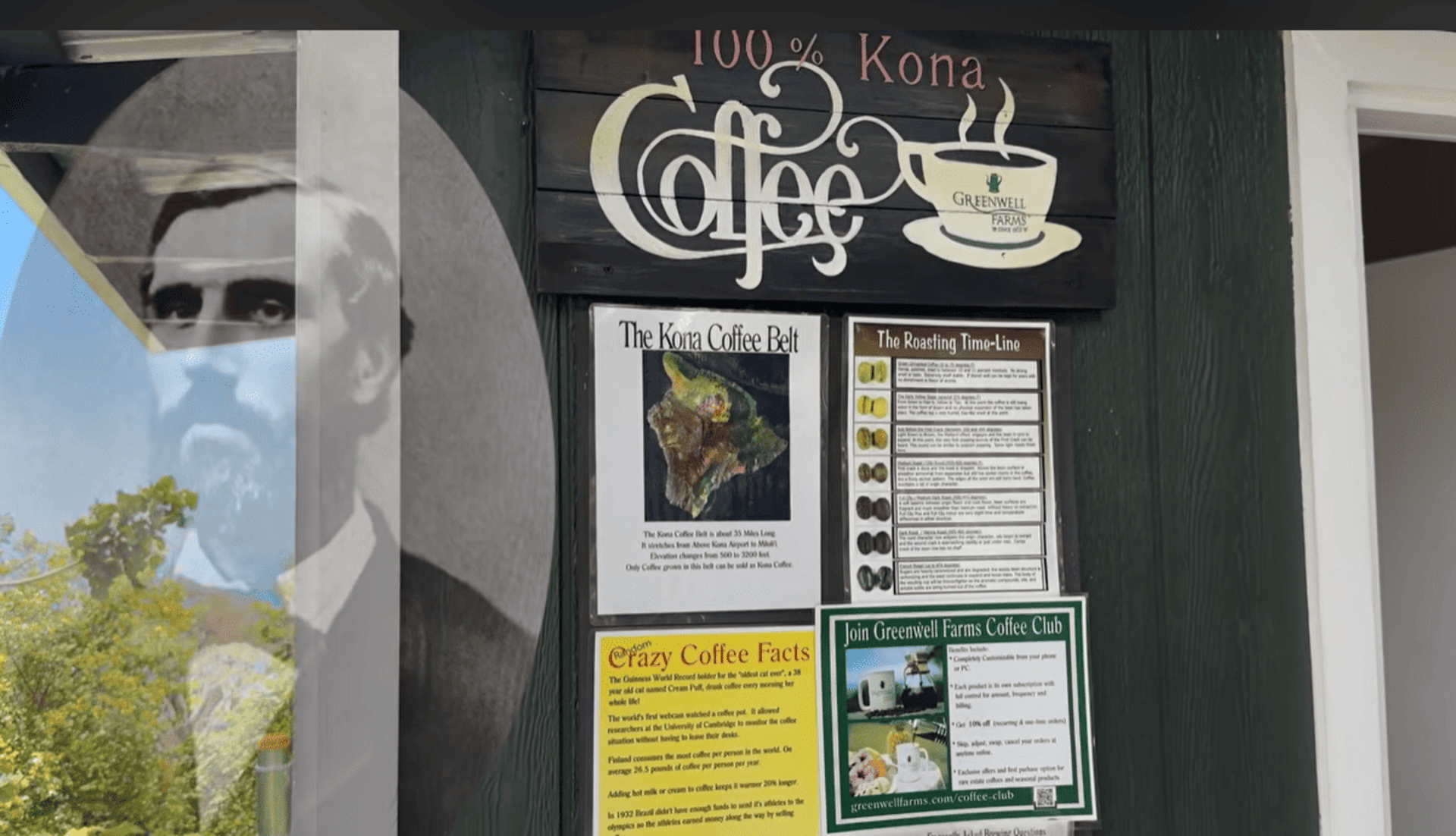
Timing shaped the visit. Two months earlier, a powerful Kona low had brought flooding that damaged the processing area and wiped out much of the nursery, destroying tens of thousands of young plants. By May, tours had resumed, though parts of the facility were still off-limits during a long recovery. Even so, Brian and Michelle walked the coffee trees and followed the process from cherry to cup.
A Few Things That Stuck
Their guide walked them through how a cherry becomes a bean, and a few details stood out:
- All Kona coffee is Arabica, valued for being aromatic, less bitter, and lower in caffeine.
- The coffee berry borer, a pest that reached Hawaii in 2010, burrows into the cherry and stays there, so eating one straight off the tree is a bad idea.
- Most beans grow as two flat halves, but a small share form a single round pea berry that roasts differently and sells for around $70 a pound.
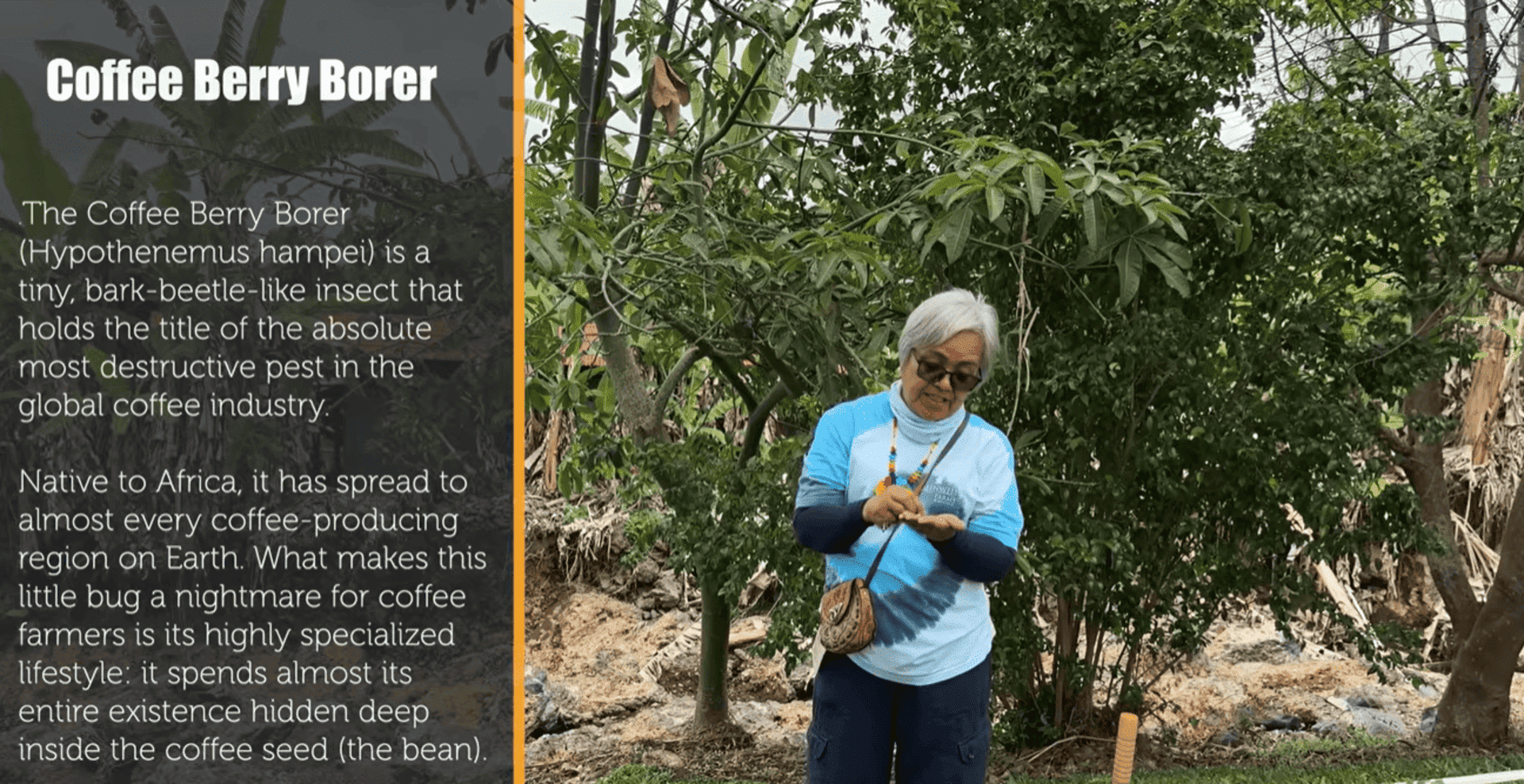
The tour was free, tastings included, and they left with a bag of beans.
So, Was the Volcano Tour Worth It?
For Brian and Michelle, day one delivered. Standing on an active volcano and watching steam rise where lava could return at any time is not something photos capture, and the stops around it filled the day without padding it.
The surprise, though, was Kona. They planned nothing, followed their curiosity to a storm-battered coffee farm, and came away with the story that stuck longest. Two very different days, two sides of the same island, and a simple takeaway for anyone with a similar split ahead: let one day be planned, and leave the other open.