Staying Warm in Your RV – Heating Systems That Deliver
When temperatures begin to dip and frost lingers on the morning windows, many RV owners prepare to stow away their vehicles until spring. But with the right heating systems on board, the colder months can open up a new season of exploration—one marked by quiet campgrounds, scenic winter landscapes, and the simple joy of staying warm inside a well-equipped coach.
This article explores the heating technologies that make year-round comfort possible in today’s luxury RVs. From hydronic systems fueled by diesel to advanced lithium-ion energy platforms, we’ll break down how these solutions work, why they matter, and how they compare to alternatives on the market. Whether you’re planning a late-fall getaway or a winter retreat, understanding your RV’s heating system is essential for both comfort and safety.
Let’s take a closer look at how dependable heating systems transform cold-weather RVing into a season worth savoring.
Why Cold-Weather RVing Deserves the Right Heating System
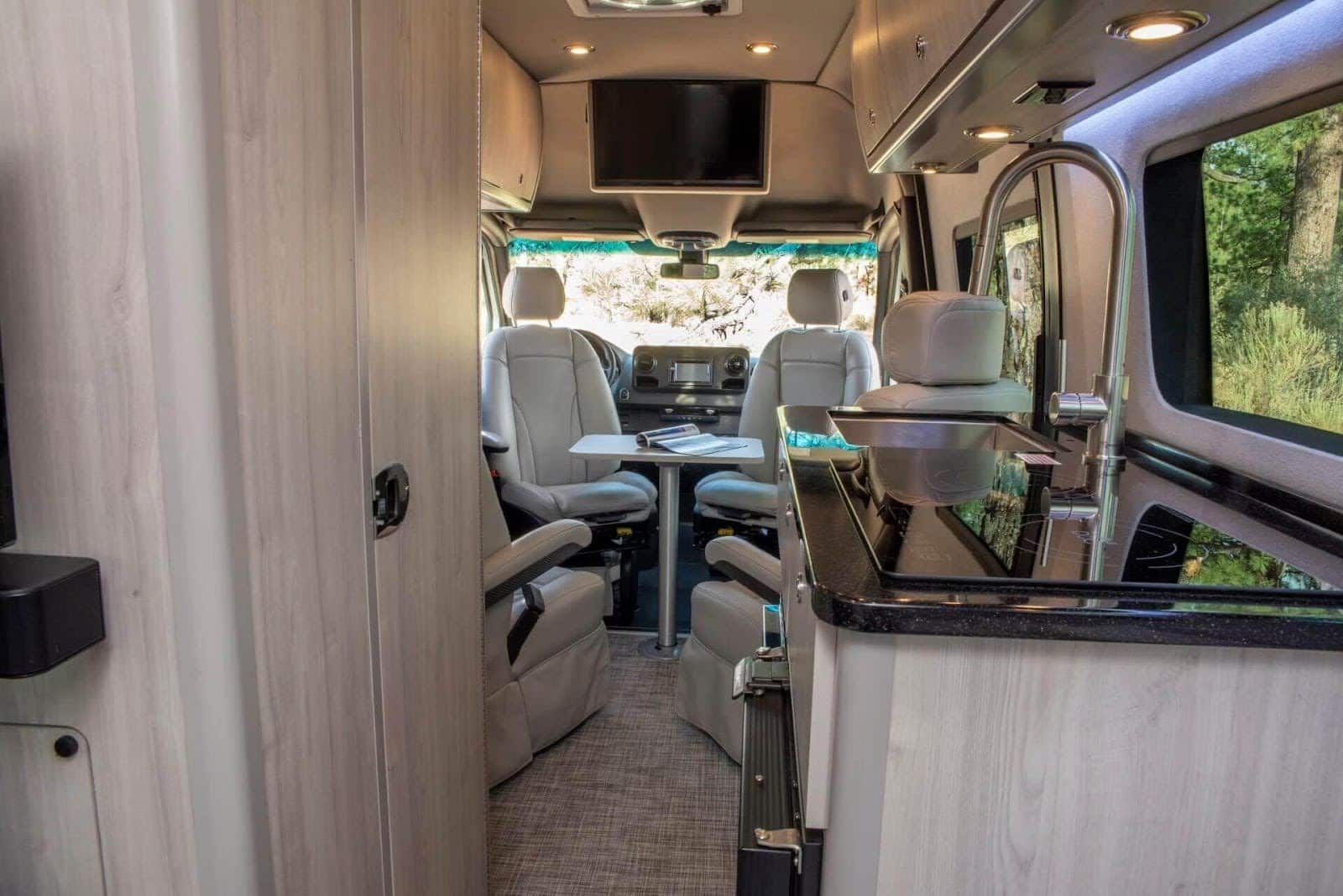
For many RV enthusiasts, colder months offer a quieter, more scenic experience on the road. But alongside the beauty of winter landscapes comes the challenge of staying reliably warm in a compact, mobile space. When temperatures drop below freezing, maintaining interior heat becomes more than a matter of comfort—it’s a critical part of safe and sustainable RV living.
Freezing temperatures can lead to frozen water lines, cracked tanks, and serious mechanical issues. Even brief exposure to sub-zero weather can compromise onboard plumbing systems, making it essential to have a dependable heating solution. That’s why heating in an RV isn’t simply a luxury feature—it’s a core component of winter readiness.
Unlike residential homes, RVs have thinner insulation and more direct exposure to the elements. While portable space heaters and extra blankets can help in mild conditions, they’re not sufficient for prolonged exposure to cold climates. What’s needed is a heating system that can operate efficiently, circulate warmth evenly, and work in harmony with your RV’s power and fuel systems.
A well-chosen heating system allows you to extend your season beyond summer and early fall—opening the door to destinations and experiences that many RVers never get to explore. Whether you’re parked in the snow-covered woods or boondocking at elevation, having the right system in place makes all the difference.
A Closer Look at RV Heating Systems: Built-In and Supplemental Options
Modern RVs offer a variety of heating systems, each with its own strengths, limitations, and ideal use cases. Whether you’re planning short winter escapes or extended cold-weather stays, understanding how each system operates helps you make smarter choices about comfort and safety on the road.
Built-In Heating Systems
- Propane Furnaces
Still one of the most common heating solutions in RVs, propane furnaces deliver quick, powerful heat. These systems use propane as the fuel source and require 12V power to operate the blower fan. They are especially useful in freezing conditions where other systems—like heat pumps—become less efficient. However, propane tanks require regular refilling and careful monitoring in colder climates where demand increases.
- Heat Pumps
Typically integrated into rooftop air conditioning units, heat pumps work by reversing the refrigeration cycle to provide warm air. They’re efficient and quiet but only function effectively in outdoor temperatures above approximately 40°F. Below this range, their performance declines, making them a secondary or supplemental option rather than a primary heat source in winter.
- Diesel-Fired Heaters
These systems, such as those installed in Grech RV’s camper vans, use the vehicle’s diesel fuel to generate heat. They offer low power consumption, dry heat (which helps reduce condensation), and a more integrated solution for off-grid use. Diesel heaters are increasingly favored for their reliability, especially when boondocking or traveling without access to shore power.
- Hydronic Systems
A step above in both comfort and complexity, hydronic systems use heated liquid circulated through a network of tubes to warm the RV’s interior. The result is a consistent, even distribution of heat with minimal noise. These systems may also heat domestic hot water, eliminating the need for separate appliances. Diesel-fired hydronic systems, like the Timberline unit used in Grech models, are especially effective in colder climates.
Diesel Heat Meets Lithium Power: A Cold-Weather Solution Built for Independence
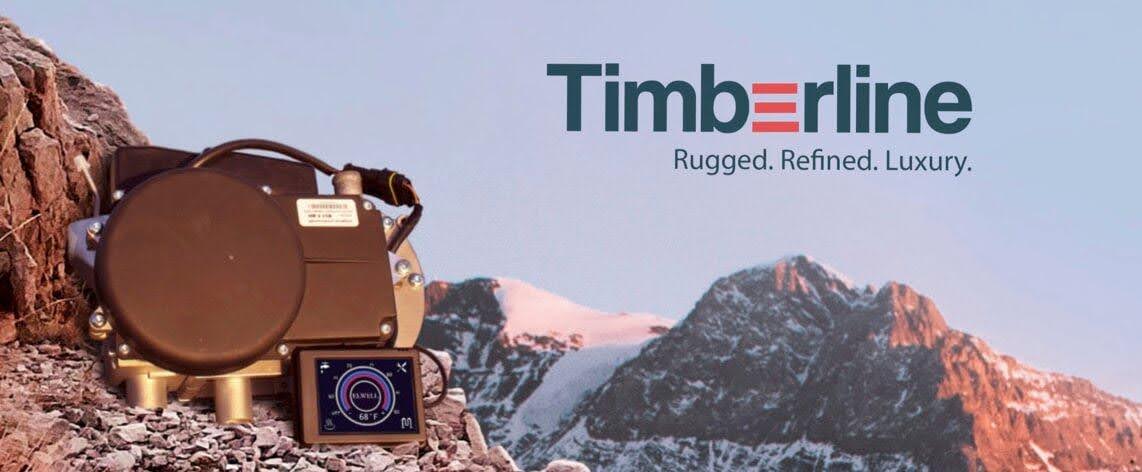
Effective winter heating in a Class B RV relies on more than just a furnace—it requires systems that work together to maintain warmth, hot water, and energy independence. In Grech RVs, two core technologies make this possible: the Timberline diesel-fired hydronic system and the GRECH POWER™ lithium energy platform.
The Timberline system uses the RV’s diesel fuel to heat a closed-loop liquid, which circulates through heat exchangers to deliver quiet, consistent warmth throughout the cabin. This method produces dry heat, helping reduce condensation, and supports continuous-flow hot water for showers and kitchen use—all from a single compact unit. Because it draws fuel directly from the vehicle’s main tank, there’s no need to manage separate propane supplies during winter travel.
Supporting this is GRECH POWER™, a lithium-based energy platform featuring 16,896 watt-hours of capacity via Lithionics® 51V batteries. This system powers everything from HVAC controls to water pumps and lights, allowing for extended off-grid stays without reliance on campsite hookups. Its faster charging capability and large energy reserve make it an ideal partner to the Timberline system, especially when heating demands are high.
Together, these systems allow RVers to stay warm, maintain essential utilities, and enjoy the comforts of modern living—even in remote or below-freezing environments. It’s a cold-weather setup designed for those who seek freedom without compromise.
Practical Tips to Stay Warm in an RV Beyond Built-In Systems
While built-in heating systems are the backbone of cold-weather RVing, supplemental strategies can make a noticeable difference in energy efficiency, comfort, and resource conservation. These small additions and behavioral adjustments can help you retain heat, reduce fuel consumption, and stay safer in colder environments.
- Improve Insulation Where You Can: Even well-built Class B motorhomes benefit from added insulation in extreme cold. Cover skylights and roof vents with insulative pillows, and use reflective insulation on windows to help retain interior warmth. Floor insulation can also be improved by laying down area rugs, which help reduce heat loss through the floor.
- Use Personal Heating Items Strategically:Electric blankets and heated mattress pads offer targeted warmth while using minimal electricity. They’re ideal for conserving diesel or propane overnight, particularly if you’re running on battery power. When using these items, always ensure electrical safety and never overload circuits.
- Close Off Unused Spaces: Use curtains or soft dividers to isolate sleeping areas or living zones. Keeping heat concentrated in smaller sections of the coach helps your primary system maintain a consistent temperature without overworking.
- Supplement with Electric Heaters (Cautiously):When shore power is available, small electric space heaters can help maintain warmth—especially in targeted areas like the bathroom or sitting area. Always monitor usage carefully, avoid leaving them on unattended, and check that your RV’s electrical system can safely support the load.
- Ventilate Wisely:Even in cold weather, limited ventilation is important to prevent condensation buildup. Use powered roof vents intermittently to remove excess humidity—especially while cooking or showering.
Together, these practices support your RV’s heating system, help conserve stored energy or fuel, and create a more comfortable environment during cold-weather travel.
Explore Cold-Weather Comfort Firsthand
Modern RV heating systems—especially when supported by efficient energy platforms—make it possible to explore more of the year with confidence and comfort. Whether you’re planning short weekend escapes or extended winter getaways, understanding your options and how to optimize them can significantly improve your cold-weather RV experience.
If you’re considering a motorhome that’s engineered for four-season performance, we welcome you to explore our latest models and inventory. You can connect with our team at 855-994-7324 or by emailing Sales@GrechRV.com to learn more about the features that support year-round travel.